Houston's Preferred Contractors
Home Additions
Residential Construction

Home Additions

Seamless structural additions that expand your living space while perfectly matching your home's existing architecture.

Service Overview.

Expanding your home's footprint requires complex structural engineering and a deep understanding of residential architecture. Whether you are adding a second story, expanding a primary suite, or building a new wing, we ensure the new structure integrates flawlessly with your existing home, both inside and out.

What's Included

  • Structural engineering & permitting
  • Foundation pouring & framing
  • Roofline integration & exterior matching
  • MEP (Mechanical, Electrical, Plumbing) extension
  • Seamless interior finish matching
Service Execution
The Value

Why It Matters.

Architectural Harmony

We meticulously match brick, siding, roofing, and trim so the addition looks like it was part of the original architectural plans.

Structural Integrity

Our additions are engineered to meet or exceed current building codes, ensuring the new structure is rock-solid.

Zoning & Permitting Expertise

We handle all municipal permitting, setback requirements, and HOA approvals before breaking ground.

Home Additions Guide

What to Know Before You Pour Houston Specifics.

Bump-out, full room, or second story: which one fits your lot

There are three kinds of additions and each solves a different problem. A bump-out pushes one wall out a few feet to make a kitchen, bathroom, or bedroom work without adding a whole room. It is the least disruptive and often does not need much roof work. A full room addition adds a new space, usually a primary suite, family room, or in-law bedroom, on its own foundation with its own roof tied into the house. A second story goes up rather than out, which is the answer when the lot is small or setbacks leave no room to expand, and it is the most involved because the existing foundation and walls have to carry the new weight.

The lot usually makes the choice. Inner-loop Houston lots are narrow and side setbacks are tight, so going up is common there. Suburban lots in Katy, Cypress, Pearland, or Sugar Land have back yards with room for a ground-level addition, but a pool, easement, or drainage swale can take that room away. Second stories require an engineer to confirm the existing slab and framing can take the load, and often they cannot without new footings or a new steel frame, which changes the budget. We look at the survey, the slab, and the roof before recommending a direction, and the free itemized quote prices the version that fits.
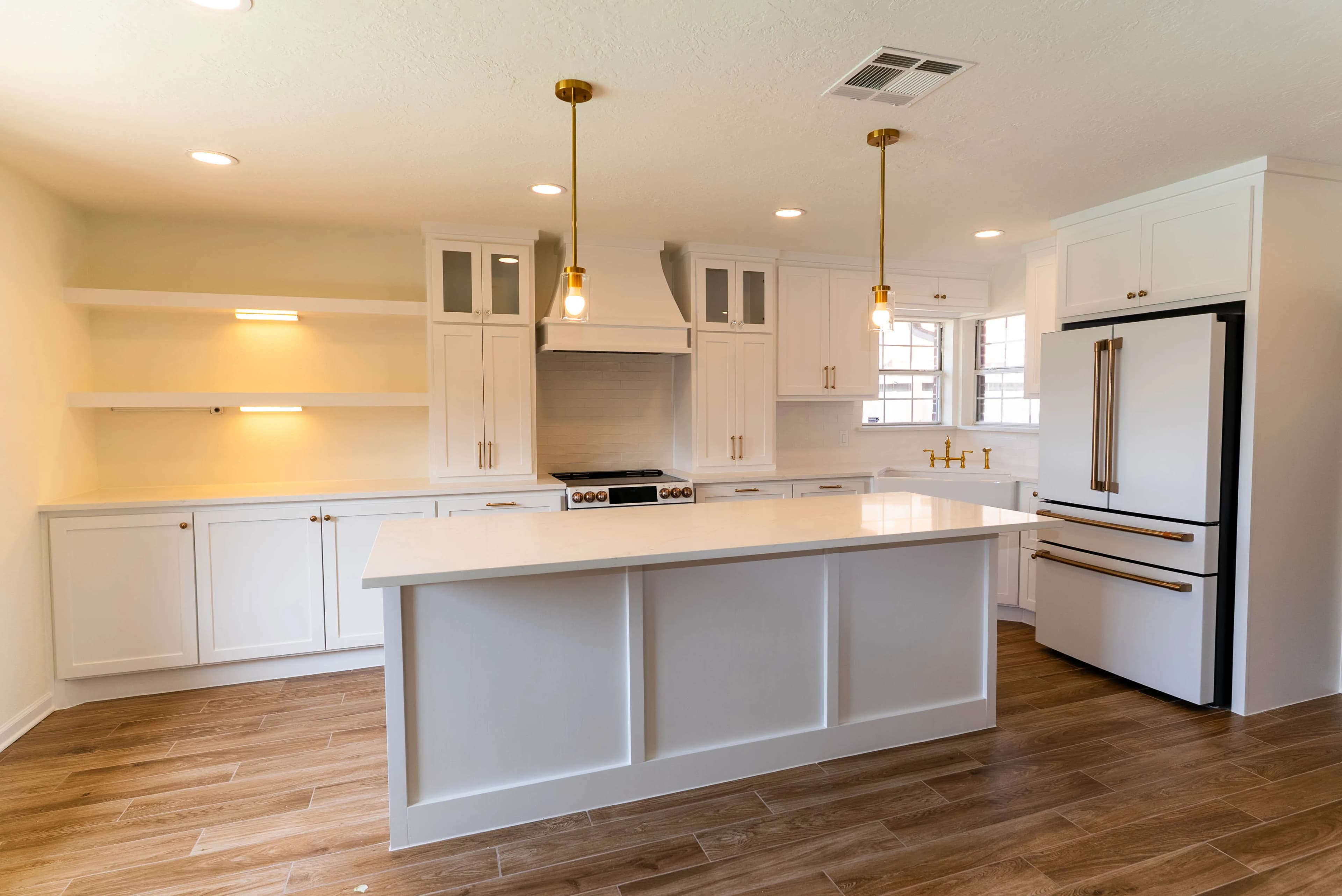
Tying a new foundation into an old one on Houston clay

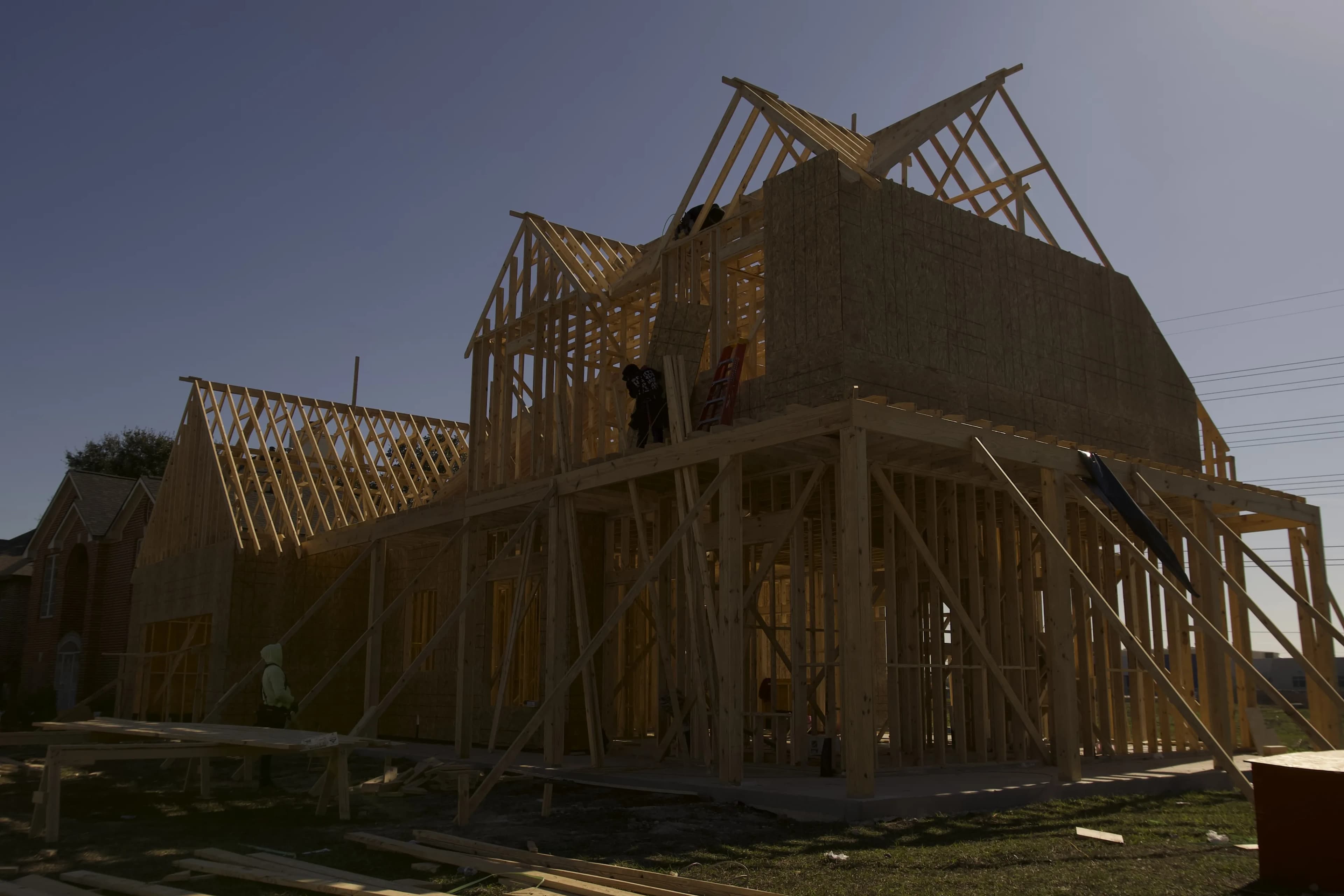
The new foundation is the part of an addition that decides whether the room is still level and crack-free in ten years. Houston sits on clay that swells in wet months and shrinks in dry ones, and an addition slab moves differently from the old house slab unless the two are designed together. A geotechnical report or, at minimum, the original engineer's foundation type guides the design. New slabs are typically engineered with grade beams or piers deep enough to reach stable soil, and steel doweled into the existing slab so the two act as one instead of hinging at the seam where the walls meet.

Older Houston homes on pier-and-beam get a different treatment: the addition can be built the same way with new piers, or on a slab with a proper transition, depending on floor heights and what the engineer recommends. Drainage around the new footprint matters as much as the foundation itself, since water pooling against a slab edge is what makes clay move. Gutters, downspout extensions, and grading away from the house are part of the addition scope, not a landscaping afterthought. We do not pour until the engineered plan is stamped and the county or city has approved it, and the slab cures before framing loads it.

Roof, brick, and trim that match the original house

An addition that looks added on lowers the value it was supposed to create. The roofline is the first tell. A new gable or shed roof has to meet the old one at a pitch and height that reads as original, with valleys flashed so the seam does not leak in a Gulf Coast downpour. Where the existing roof is near the end of its life, it is often worth reroofing the whole house at the same time so the shingles match instead of showing a color line. Brick is the second tell, and matching brick that was made decades ago takes sourcing and sometimes a blend of two runs to get right.

Siding, trim profiles, window styles, and the depth of the eaves all have to carry through. Inside, the floor heights meet without a step, and flooring, baseboard, and door casings continue from the old rooms into the new ones. Where the house has a distinctive detail, such as a particular window muntin pattern or a brick soldier course, we repeat it on the addition. Getting this right is mostly planning: photographing the house, ordering materials early, and building mockups where the match is not obvious. It is the difference between a house that grew and a box attached to one, and buyers can tell.

Setbacks, permits, and HOA review before ground breaks

Before anything is drawn in final, the addition has to fit the rules for your address. Every Houston-area jurisdiction has setbacks from the property lines, and some have lot coverage or impervious cover limits that a large addition can bump against. Inside Houston city limits, the City of Houston reviews and permits the work. Unincorporated Harris, Fort Bend, and Montgomery County addresses permit through the county, with MUD and HOA review in most subdivisions. Suburbs such as Pearland, Sugar Land, League City, and Missouri City run their own permit offices. Many older Houston neighborhoods carry deed restrictions with their own architectural approval even without an HOA.

The permit application includes engineered foundation and framing drawings, a site plan showing setbacks, and often energy and mechanical documentation. HOA architectural review runs on a separate track and usually wants elevations, materials, and colors. We submit both at once so the approvals overlap instead of stacking. As a licensed general contractor we pull the permit under our name and schedule the inspections, which typically include foundation, framing, rough trades, insulation, and final. Utility easements and drainage easements are checked against the survey before design, since a room built over an easement is the kind of mistake that cannot be fixed afterward.

Flood zones, elevation, and drainage around the new footprint

Flood risk is a real design input across much of Greater Houston. If your property is in a mapped flood zone, the jurisdiction may require an elevation certificate and set a minimum finished floor height for new construction, including additions, that can be higher than your existing floor. That affects the foundation design, the step between old and new rooms, and sometimes the whole approach. We check the flood status of the address at the start, not after the plans are drawn. Outside mapped zones, drainage still matters, because an addition adds roof area and removes yard that used to absorb rain.

Drainage design for an addition is straightforward but easy to skip. Roof runoff from the new section is collected and directed away from both the new slab and the neighbor's lot. Grading around the footprint slopes away from the house. Where the addition closes in a side yard that used to drain to the back, a French drain or area drain may be needed to keep water from pooling. On lots in a subdivision with a MUD, the district may have its own drainage requirements. Getting this right protects the foundation of the old house as much as the new one, and it is priced into the quote.

The addition build from footing to final inspection

An addition runs in the same order as a small house. Once permits are in hand, the site is laid out and the foundation is formed, inspected, and poured, then cures before framing starts. Framing raises the walls and ties the new roof to the old, and the house is dried in with roofing and windows. Plumbing, electrical, and HVAC are extended into the new space, whether that means adding to the existing system or, as is common, a dedicated unit for the new rooms. Each rough-in is inspected before insulation and drywall. Exterior brick or siding, interior finishes, flooring, and paint follow, and the wall between the old house and the addition comes down late in the process.

You stay in the house for nearly all of it. The addition is built as its own sealed shell, and the opening into the existing rooms is made after the new space is dried in and mostly finished, so dust and weather stay out of the living areas. A ground-level room addition typically runs a few months, and a second story runs longer because the existing roof has to come off. The free itemized quote lists foundation, framing, roofing, exterior, trades, and finishes separately, so you can see where the money goes and adjust the scope before we break ground on the project.

Service FAQs

What Clients Ask.

Find answers to common questions about our process, timelines, and what to expect when partnering with us for this service.

In most cases, you can remain in your home. We set up temporary dust barriers and secure the work zone to minimize disruption to your daily life.

We source matching brick, stone, or siding, and carefully tie the new roofline into the existing structure to ensure a seamless transition.

We evaluate your existing system. Often, we recommend adding a dedicated mini-split or upgrading the main unit to handle the increased square footage.

Timelines range from 3 to 6 months, depending on the size of the addition, foundation requirements, and weather conditions.

We check the flood map status for your address at the first meeting. If the property is in a mapped zone, the permitting authority may require an elevation certificate and a minimum finished floor height for the new space, which affects the foundation design and the transition to the existing floor. Outside a mapped zone, the addition still needs roof drainage and grading planned so runoff moves away from both the old and new foundation.

Sometimes, and only after an engineer evaluates it. The existing slab, walls, and headers were sized for one story, and on Houston clay the slab may need added piers or footings to take the new load. In some homes the answer is a new structural frame that carries the second floor independently. We have the structure reviewed before design so the quote reflects what the house actually needs rather than an assumption.

Discuss Your Project

Ready to Discuss
Your Project?

Whether you need a high-end residential remodel or a complex commercial buildout, our team is ready to plan and execute with the discipline your Houston-area project deserves.